
A Ross Story: James Game Introduction
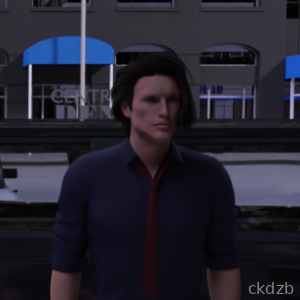
A Ross Story: James is a laid-back, story-focused game that feels a lot like reading a graphic novel that talks back to you. You follow James, a character with his own quirks, doubts, and messy life moments, and slowly get pulled into his world through dialogue and choices.
Instead of stressing over fast reactions or complicated mechanics, you mostly sit back, read, and decide how James responds to the people around him. It is the kind of game you can play on the couch, on the bus, or right before bed when you just want a bit of story and emotion instead of pure action.
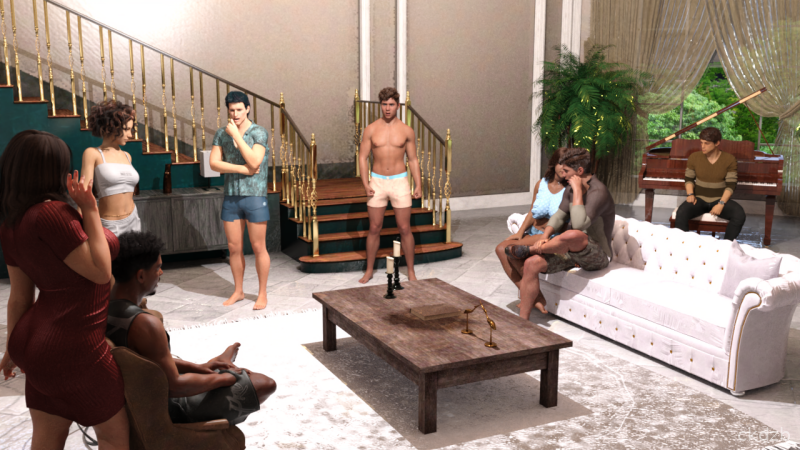
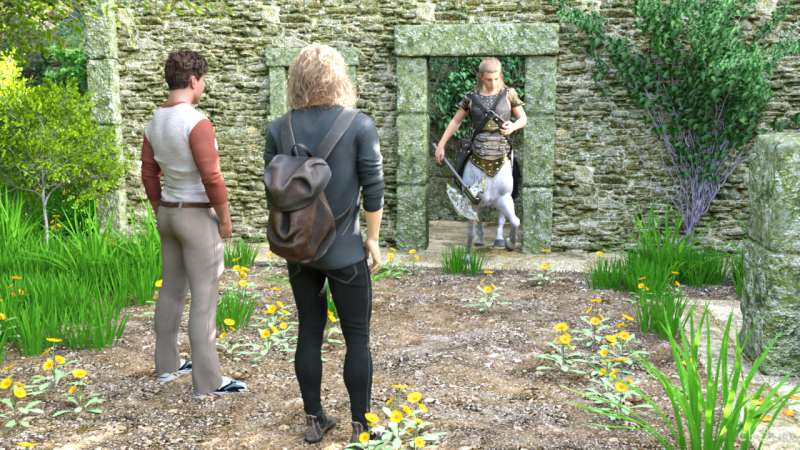
Everything is built around the narrative. Scenes unfold one after another, and your taps move the story forward, reveal new lines, and occasionally force you to pick a side or choose a tone. If you enjoy character-driven plots and small, personal moments instead of explosions and chaos, this one leans heavily in that direction.
A Ross Story: James Game Features
1. Character-Driven Story: Follow James through personal moments, awkward conversations, and small turning points that feel grounded and human.
2. Choice-Based Dialogue: Pick from different replies during conversations and see how characters react to your decisions over time.
3. Relaxed Pace: Enjoy a slow, comfortable reading experience without timers, combo meters, or pressure to react quickly.
4. Mobile-Friendly Layout: Read clean text and simple scenes that work well on a phone screen, even during short breaks.
5. Focus on Emotions: Watch how James processes situations and relationships as the story leans into feelings rather than flashy effects.
A Ross Story: James Game Highlights
✨ Branching conversations - Certain choices subtly shift how James relates to others and how scenes feel later on.
📌 Simple tap controls - Progress the story, select options, and move through scenes with easy one-hand play.
📱 Optimized reading view - Text and dialogue are presented in a way that stays readable without constant zooming or strain.
⭐ Short-session friendly - Pick it up for a few minutes, finish a scene, and put it down without losing the thread of the story.
💡 Low-stress gameplay - No complicated systems to learn, just reading, choosing, and seeing what happens next.
A Ross Story: James Game Gameplay
Move through the story by tapping the screen to reveal new lines of dialogue and narration at your own pace.
Read each scene carefully and decide how James should respond when the game presents you with different dialogue options.
Pay attention to the tone of your choices because even small differences in wording can slightly change the mood of later interactions.
Take breaks after key scenes so you have time to think about James’s situation and what kind of person you want him to become.
Replay sections if you feel curious about alternate responses and want to see how different answers might shift the feel of certain moments.
A Ross Story: James Game Conclusion
A Ross Story: James is built for players who care more about story beats than scoreboards. It keeps things simple on purpose so you can focus on James, his choices, and the people around him.
If you enjoy visual novels, interactive stories, or just want something calm to play on your phone, this game fits nicely into that niche. It is a quiet, narrative-focused experience that lets you guide a single character through conversations and small turning points without demanding too much from you in return.
FAQ
What kind of game is A Ross Story: James?
A Ross Story: James is a narrative-driven visual novel style game where you read through scenes, make dialogue choices, and follow James’s personal story.
Is A Ross Story: James hard to play?
No, it is very simple to play. You tap to progress the text and occasionally choose how James responds. There are no complex controls or fast reactions needed.
Do my choices change the story in A Ross Story: James?
Your choices can influence how conversations feel and how characters react to James. It focuses more on tone and small shifts rather than heavy branching into completely different plots.


![7 Days [Demo]](https://image.ckdzb.com/images/202604/08/d89f004a0ab23c5f62ea5cc1a4233bba.png)