
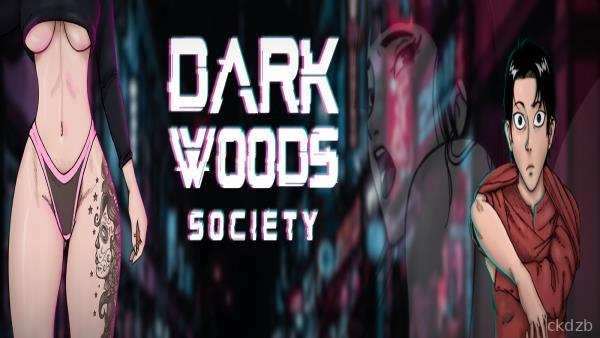
Dark Woods Society Game Introduction
Dark Woods Society is a story-driven horror game that throws you into a lonely forest filled with secrets, strange characters, and decisions that never feel easy. Instead of relying on cheap jump scares, it leans into mood, tension, and mystery, so every step deeper into the woods feels a bit more uncomfortable.
You play at your own pace, reading through scenes, picking dialogue options, and slowly uncovering what this mysterious society is hiding. It feels like sitting down with a creepy graphic novel that occasionally asks, "Are you sure you want to do that?"
Even in this early version, Dark Woods Society already sets up a strong atmosphere with its writing and pacing, making it a solid pick if you like horror that gets under your skin rather than just yelling in your face.
Dark Woods Society Game Features
1. Branching Story Paths: Choices you make shape conversations, relationships, and which scenes you unlock later in the game.
2. Creepy Forest Setting: Most of the story takes place in a dense, isolated woodland that slowly reveals new locations and hidden corners.
3. Character-Driven Horror: The tension comes from people, secrets, and motives instead of constant monsters or loud scares.
4. Dialogue Choices: You regularly pick how your character reacts, whether that is curious, cautious, or downright reckless.
5. Replay Potential: Different decisions can lead to alternate scenes and bits of lore, giving you reasons to start a new run.
6. Mobile-Friendly Sessions: Scenes are short enough that you can play in quick bursts without losing track of the story.
Dark Woods Society Game Highlights
🔥 Atmosphere First - The game leans hard into mood and tension, using slow reveals and unsettling moments instead of constant shock value.
🔮 Mystery At The Core - Everything from the forest layout to the strange society members hints at a bigger secret waiting to be uncovered.
📌 Memorable Encounters - Key scenes stick with you, whether it is a weird conversation by a campfire or a quiet walk through the dark trees.
💡 Choice-Driven Feel - Even small dialogue options can change how you feel about certain characters or how they react to you later.
🛡️ Low-Stress Mechanics - There is no complicated combat or fussy controls, so you can focus on reading, choosing, and absorbing the story.
Dark Woods Society Game Gameplay
Start by launching a new game, reading through the opening scenes, and getting a feel for who your character is and why they are in the woods.
Progress by tapping through the narrative, paying attention to details in the text that hint at what might be important later.
When dialogue choices appear, pick the responses that match the personality you want to role-play, whether that is skeptical, brave, or quietly anxious.
Explore new scenes as they unlock, revisiting earlier information in your mind to connect clues about the society and its real purpose.
Experiment with different choices on future playthroughs to see alternate conversations, reactions, and bits of lore you might have missed the first time.
Dark Woods Society Game Conclusion
Dark Woods Society feels like it is built for players who enjoy slow-burn horror and interactive storytelling more than fast action. It is the kind of game you play with headphones on, lights low, and your attention fixed on every line of dialogue.
While this early version is still taking shape, the core idea is already clear: a tense, choice-driven narrative set in a forest that never quite feels safe. If you like moody horror and narrative games, keeping Dark Woods Society on your radar is a smart move.
FAQ
What kind of game is Dark Woods Society?
Dark Woods Society is a story-focused horror adventure game set in a mysterious forest, built around dialogue choices and narrative tension.
Does Dark Woods Society have action or combat?
No, it mainly focuses on reading, making choices, and exploring the story. There are no complex combat systems, so the experience stays narrative-driven.
Can my choices change the story in Dark Woods Society?
Yes, your dialogue and story decisions can affect scenes you see, how characters respond to you, and which pieces of the mystery you uncover.