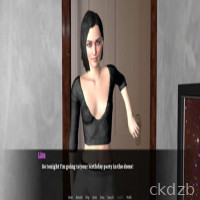

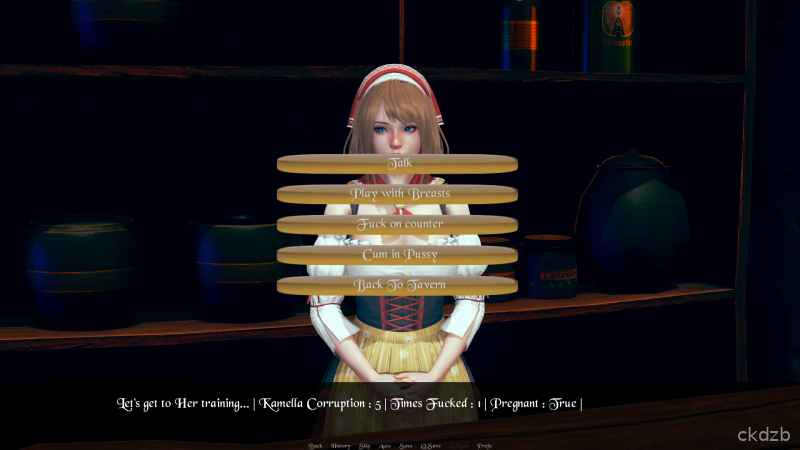
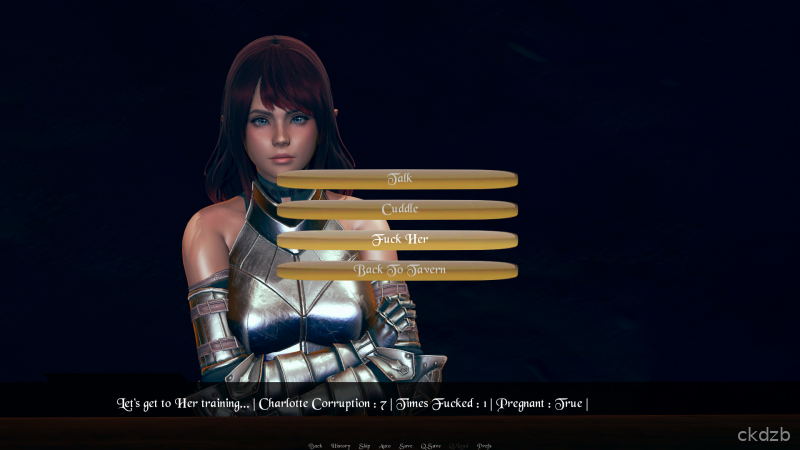
Episode One - University Trainer Game Introduction
Episode One - University Trainer is a story-driven game where you guide a student through the first steps of university life. You manage daily choices, build relationships, and improve different skills while balancing study, social life, and personal growth. The focus is on dialogue, choices, and character development rather than fast action, making it ideal for players who enjoy narrative experiences.
The game plays like an interactive story. You read scenes, pick responses, and watch how your decisions affect future events. As you progress, you train different stats and unlock new scenes or options based on how you shape your character. It is relaxed, text-heavy, and aimed at players who like following characters over time.
Episode One - University Trainer Game Features
The Character Training System allows you to improve stats such as confidence, intelligence, and fitness through repeated activities, which then open up new dialogue options and paths.
The Branching Story Choices allow you to pick different answers in conversations and events, leading to varied reactions from other characters and different outcomes for your main character.
The Campus Life Events allow you to attend classes, hang out in dorms, visit campus locations, and experience typical university moments that slowly change as your stats grow.
The Relationship Building allows you to interact with different characters, learn their personalities, and shape how close or distant they become based on your choices.
The Progression and Save System allows you to track your progress across episodes, save your game, and come back later to continue the same route or try different decisions.
Episode One - University Trainer Game Pros and Cons
The Slow-Burn Storytelling allows you to get invested in the main character and supporting cast over time, which is great if you like reading and character-focused plots.
The Stat-Based Progression allows you to feel a sense of growth as you raise skills and unlock new paths, giving the game replay value.
The Text-Heavy Gameplay allows you to enjoy a relaxed pace, but it can feel slow for players who prefer more action or quick sessions.
The Early-Episode Scope allows you to see the start of a larger story, but as an early episode the content may feel limited compared with a full-length game.
Episode One - University Trainer Game Conclusion
Episode One - University Trainer is aimed at players who enjoy visual novels and life-simulation elements centered around university life. It focuses on choices, stats, and relationships rather than complex mechanics, making it easy to pick up and understand. If you like following a character from the early days of campus and shaping their path through training and decisions, this game can be a solid addition to your Android collection.
The pace is calm and the tone is grounded, so expectations should be set for a story-first experience. For those who appreciate this style, Episode One - University Trainer offers a focused start to a longer campus journey on mobile.
FAQ
What type of game is Episode One - University Trainer?
It is a visual novel style game with light life-simulation elements, where you follow a student at university and make choices that affect the story and character stats.
Is Episode One - University Trainer action-heavy?
No, the game is mostly text and dialogue based. You read scenes, make choices, and train stats rather than play fast action or reflex-based levels.
Can I play Episode One - University Trainer offline?
In most cases, once installed, you can play the story and manage your saves offline, as the core gameplay does not rely on constant online features.
Does Episode One - University Trainer have multiple story paths?
Yes, different choices and stat levels can change dialogue, scenes, and how characters react to you, giving room for replay with new decisions.
Is Episode One - University Trainer suitable for quick sessions?
You can play in short sessions, but the game is best enjoyed when you have time to read and follow the story, as it is text-heavy and focused on dialogue.