
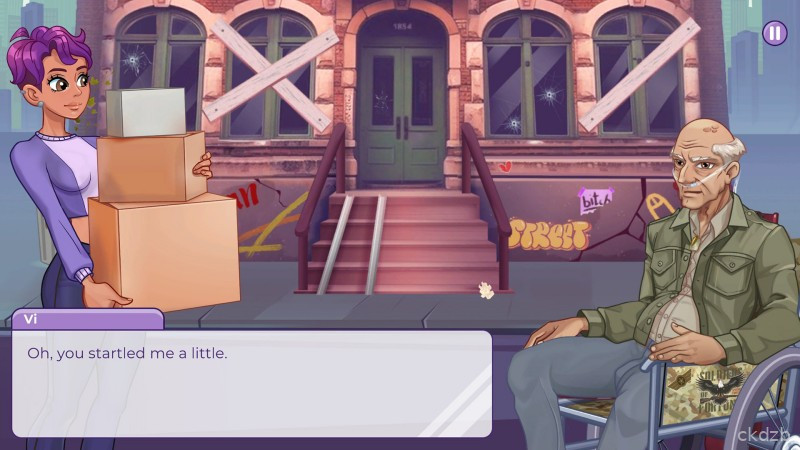
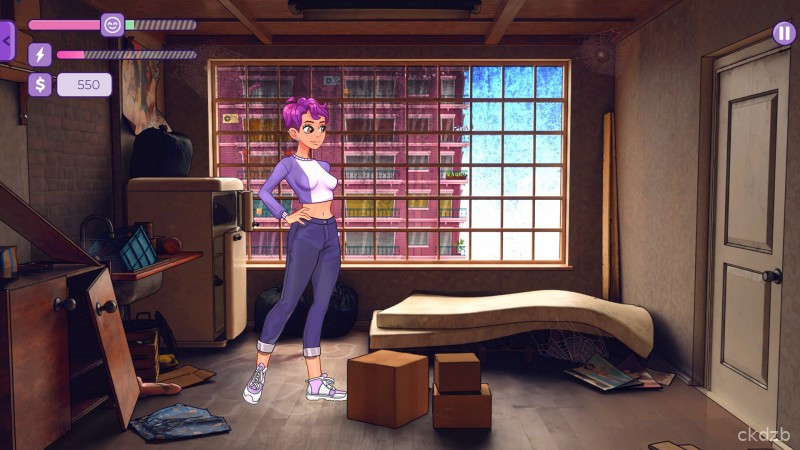

(non)trivial Game Introduction
(non)trivial is a thoughtful puzzle game for players who like slow, careful problem solving instead of fast reflexes. Each level asks you to read the situation, test ideas, and slowly work your way to the right answer. It feels more like working through a clever riddle than rushing through an arcade stage.
The design is minimal and clean, keeping your focus on the logic of each puzzle. There are no long tutorials or flashy cutscenes, just a steady stream of challenges that reward attention and patience. If you enjoy figuring things out on your own and do not mind failing a few times while you learn the rules, this game will feel satisfying.
(non)trivial Game Features
1. Level-based puzzles - You move through a series of handcrafted stages, each with its own small twist that forces you to think a bit differently from the last one.
2. Minimal interface - The clean layout keeps distractions away so you can focus on reading the puzzle and planning your next move.
3. Trial-and-error learning - The game expects you to experiment, make mistakes, and slowly understand the hidden rules behind each challenge.
4. Increasing difficulty - As you progress, puzzles become more complex and demand more steps, forcing you to think several moves ahead.
5. Short play sessions - Each level is compact, making it easy to jump in, solve a puzzle or two, and come back later without losing your place.
6. Offline friendly - Once installed, you can play levels without needing a constant internet connection, which makes it ideal for commuting or travel.
(non)trivial Game Pros and Cons
1. Deep logic challenges - The focus on careful thinking makes the game rewarding for players who enjoy mental effort.
2. No time pressure - You can take as long as you want on each puzzle, which keeps the experience calm instead of stressful.
3. Simple visuals - The minimal graphics help with clarity but may feel plain to players who prefer more detailed art.
4. Steep learning curve - Some puzzles can feel hard or confusing at first, especially if you prefer clear guidance.
5. Niche appeal - The slow, methodical style is great for puzzle fans but might not suit players looking for action or fast pacing.
(non)trivial Game Conclusion
(non)trivial is aimed at players who like to sit with a problem and slowly pick it apart. It does not try to impress with big effects or constant rewards. Instead, it focuses on that quiet moment when a tricky puzzle finally makes sense.
If you enjoy logical thinking, patient experimentation, and small design details that change how a puzzle works, (non)trivial is worth installing. Take your time, learn the patterns, and let each solved level feel like a small win you actually earned.
FAQ
What kind of game is (non)trivial?
(non)trivial is a slow-paced puzzle game that focuses on logic and careful problem solving rather than action or reflexes.
Can I play (non)trivial offline?
Yes, after you install the game, you can play levels without a constant internet connection.
Is (non)trivial hard to learn?
The basics are simple, but many puzzles require patience and trial and error. It can feel challenging if you prefer very direct hints.
Does (non)trivial have ads or in-app purchases?
The exact monetization can vary by release, but the core experience is focused on puzzles rather than heavy ads or shop menus.
Who will enjoy (non)trivial the most?
Players who like brain teasers, logical thinking, and taking their time with each level will get the most out of (non)trivial.