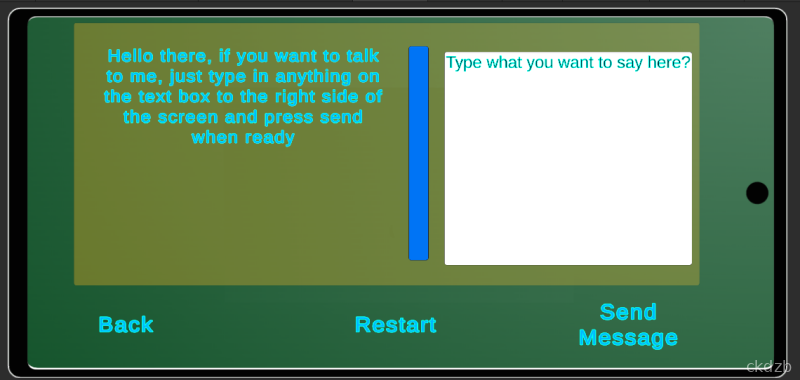
Pocket counsellor Game Introduction
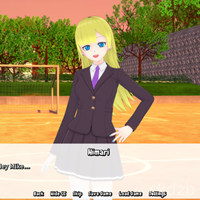
Pocket counsellor is a small prototype game that feels more like a personal conversation than a typical mobile title. Instead of chasing scores or grinding levels, you spend time reading, thinking, and responding to situations that feel surprisingly close to real life. It plays like a visual novel mixed with a light counselling simulator, all tucked into your phone.
Rather than throwing action at you, Pocket counsellor slows everything down. You read through dialogue, consider how characters might be feeling, and pick responses that shape how the story moves forward. It is the kind of game you open when you want a quiet moment to reflect, not a noisy arcade rush.
Pocket counsellor Game Features
1. Conversation-Focused Gameplay: The heart of the game is dialogue, where your replies guide how each scene unfolds and how people react to you.
2. Emotionally Aware Choices: Instead of random options, your choices are built around feelings, empathy, and understanding what someone might need to hear.
3. Simple, Clean Interface: The layout is minimal so you can focus on the words on screen without distractions, pop-ups, or cluttered menus getting in the way.
4. Short, Replayable Scenes: Sessions are kept compact, making it easy to replay a scenario and test different responses whenever you have a spare moment.
5. Prototype-Friendly Design: Because it is a prototype, the experience is focused and experimental, letting you sample the core idea without a huge time investment.
Pocket counsellor Game Highlights
✨ Thoughtful Story Moments - Pocket counsellor leans into quiet, reflective scenes that feel grounded and personal instead of dramatic for no reason.
📌 Choices With Weight - Your answers do not just skip text; they gently shift tone, reactions, and how comfortable the conversation feels.
💡 Gentle Learning Curve - You pick up how the game works naturally as you read and respond, with no heavy tutorials or complex systems.
❤️ Safe Space Vibes - The overall mood stays calm and considerate, making it feel like a safe place to think about feelings and communication.
⭐ Prototype Charm - There is a rough-around-the-edges feel that actually makes it interesting, like you are trying out a concept before it goes big.
Pocket counsellor Game Gameplay
Read the current situation carefully and let the character's emotions sink in before you tap on any reply.
Pay attention to how each response changes the tone of the conversation so you can sense what works and what feels off.
Try different dialogue options on replays to see new reactions and better understand the subtle shifts in mood and trust.
Take your time during each scene, treating it more like chatting with someone who matters than racing through a script.
Use what you notice in the game as a gentle reminder of how word choices can change real-life conversations as well.
Pocket counsellor Game Conclusion
Pocket counsellor is not trying to compete with big-budget titles or fast-paced action. It is a small, thoughtful prototype that asks you to slow down, read, and respond with care. By focusing on dialogue and emotional nuance, it offers a different kind of mobile experience that feels more like a guided reflection than a standard game.
If you enjoy narrative-driven experiences, visual novels, or just like games that make you think about how you talk to people, Pocket counsellor is worth a look. It might be simple and early in development, but there is a clear idea at its core: conversations matter, and the way you respond can change everything.
FAQ
What kind of game is Pocket counsellor?
Pocket counsellor is a prototype narrative game that plays like a mix of a visual novel and a light counselling simulator, focused on dialogue and emotional choices.
Is Pocket counsellor hard to play?
No, it is very straightforward. You mainly read the dialogue on screen and pick from a set of responses, so there are no complicated controls or systems to learn.
Does Pocket counsellor have multiple outcomes?
Yes, different dialogue choices can lead to changes in tone, reactions, and how each scene feels, encouraging you to replay and experiment with other responses.